Best Mom Ever: A Smart Embroidery Design for Small Business Merch
First Impression: Warm, Sophisticated, and Professionally Refined
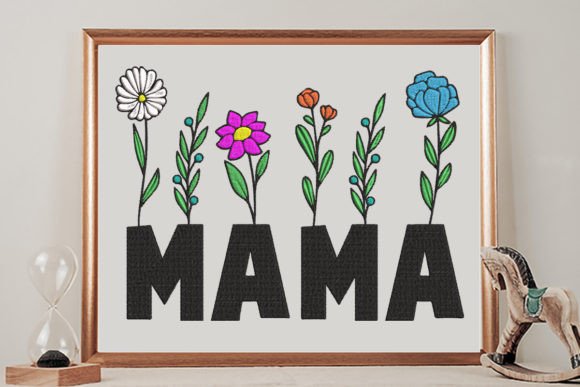
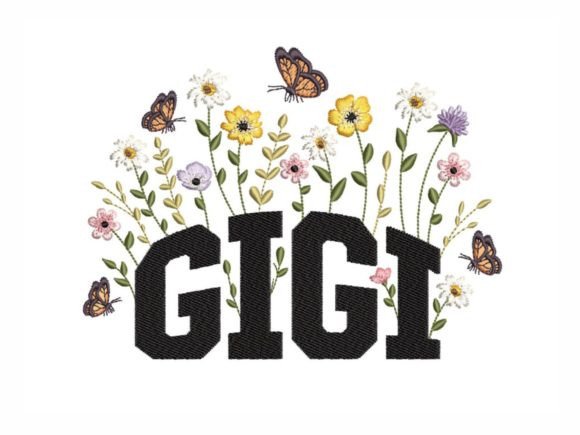
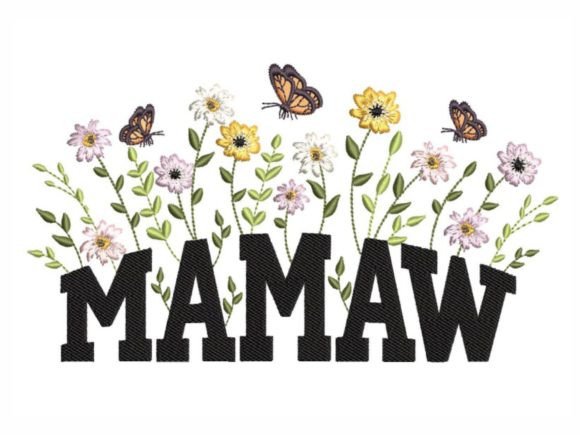
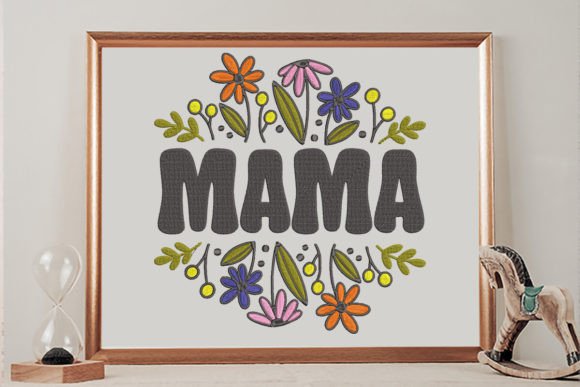
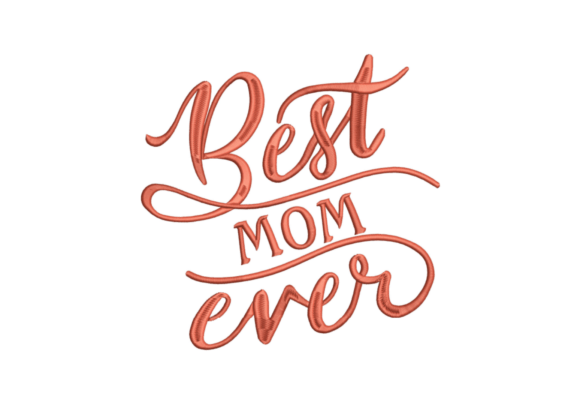
As an embroidery designer who’s developed hundreds of commercial patterns for small businesses—from neighborhood bakeries to indie florists—I opened Best Mom Ever expecting a sweet but generic sentiment. Instead, I found a design that balances emotional resonance with visual discipline. The title signals warmth and celebration; the description—“a meticulously designed image… represented by a sophisticated h”—hints at intentional composition, not just decorative flair. It reads as elegant yet approachable, classic without being dated, and handmade without sacrificing polish. That duality is gold for small business branding: it invites connection while reinforcing credibility.
Real-World Performance Across Business Touchpoints
Best Mom Ever shines where authenticity and visibility intersect—exactly where small businesses need embroidery to work hardest.
- Embroidered patches: Its balanced proportions and clear focal point make it ideal for 2”–3.5” woven or chenille patches—perfect for boutique aprons, staff lanyards, or limited-edition Mother S Day gift sets.
- Staff uniforms & aprons: As a chest accent on café aprons or floral shop smocks, it adds personality without overwhelming. The design’s implied sophistication aligns well with premium service positioning—think “hand-picked blooms” or “small-batch pastries.”
- Cap embroidery: On structured front panels (e.g., dad caps or trucker hats), Best Mom Ever holds clarity at 2.25” width—especially when paired with clean thread colors like navy, charcoal, or deep rose. Avoid overly curved crowns unless digitized with underlay adjustments.
- Tote bag design & product packaging: Used as a subtle corner mark on canvas totes or kraft gift tags, it reinforces brand warmth without shouting. It works especially well alongside minimalist logos—no visual competition, just quiet cohesion.
- Custom apparel & Etsy branding: For makers selling handmade products, this machine embroidery design bridges personal storytelling and professional presentation. Customers recognize sincerity—and trust it more when it’s stitched cleanly, not printed flimsily.
Where to Use Best Mom Ever Thoughtfully
Even strong designs have limits—and smart small business owners know when to adapt, not force. Here’s where caution pays off:
- Small patch sizes (<2”): Fine details (like delicate script flourishes or tight letter spacing) may blur. Always test stitch-out at intended size—don’t rely on screen previews.
- Cap fronts with high curvature: If the cap has aggressive front panel shaping, request a re-digitized version with adjusted pull compensation—or opt for a simplified outline variant.
- Dark uniforms or textured fabric: Heavy twill or corduroy can swallow fine stitches. Confirm adequate stitch density in the digital embroidery file and use cutaway stabilizer to prevent puckering and thread breakage.
- Frequent-wash items (e.g., staff aprons, kids’ boutique bibs): High-density fills hold up better than open satin-stitch borders. Review the file’s fill ratio—if unclear, ask your digitizer for a wash-test sample.
- Tiny lettering or thin outlines: While “Best Mom Ever” suggests legibility, verify spacing between letters (kerning) and stroke weight. Tight tracking won’t survive 50+ industrial washes.
How Best Mom Ever Strengthens Brand Identity
This isn’t just decoration—it’s strategic brand reinforcement. When customers see Best Mom Ever stitched onto a florist’s tote or a pet brand’s bandana, they register three things instantly: caring intent, local craftsmanship, and attention to detail. That builds trust faster than any tagline. Unlike clipart-style graphics, a well-executed embroidery file signals investment—in quality, relationships, and community. For Etsy sellers or craft studios, it elevates perceived value: a $28 embroidered tea towel feels heirloom-worthy next to a $12 printed one. And consistency matters: using Best Mom Ever across staff caps, customer thank-you patches, and Mother S Day event merch creates visual rhythm—making your brand instantly recognizable, even without a logo.
Practical Designer Notes for Commercial Use
Before stitching your first production run, run these checks—every time:
- Test the embroidery file in black and white first. Does contrast hold? Are light threads readable on dark fabric?
- Verify performance at your smallest intended patch size—ideally on actual fabric, not just software simulation.
- Review thread color recommendations against your brand palette. Does “sophisticated h” translate into rich, fade-resistant hues—or does it rely on trendy pastels that won’t last?
- Inspect spacing between elements. Crowded lettering won’t scale down; generous negative space will.
- Confirm hoop size compatibility with your machines—and whether the design fits standard commercial hoops without re-hooping mid-stitch.
- Always test on real fabric + stabilizer combo. Linen behaves differently than cotton poplin; fleece swallows detail.
- Create a printable mockup for client approval—especially if you’re designing for another small business. Visual alignment prevents costly re-runs.
- Compare Best Mom Ever beside your other design assets. Does it share line weight, curve rhythm, and tone? Consistency strengthens brand recall.
- Double-check commercial licensing. Even if labeled “for small business use,” confirm it covers resale, physical products, and digital mockups—no surprises at tax time.
Ultimately, Best Mom Ever succeeds because it’s designed for people—not just pixels. It honors mothers with sincerity, and it serves small businesses with versatility, durability, and quiet professionalism. Whether you’re stitching it onto a bakery apron or packaging a handmade candle set, this embroidery design doesn’t just say “I love Mom.” It says, “We care enough to get it right.” And in today’s market, that’s the most powerful branding of all.