Floral Nonni: A Whimsical, Wearable Charm
As someone who’s stitched hundreds of designs across apparel, home goods, and boutique merchandise—often under tight deadlines and high client expectations—I approached Floral Nonni with quiet curiosity. Not hype, not hope—just the kind of grounded attention you give a new tool before trusting it in your next real project. I tested it on a linen-cotton tea towel for a local kitchenware pop-up, then scaled it up for a custom embroidered tote bag destined for a Mother’s Day gift box. Here’s what stood out—not just how it looks on screen, but how it behaves under needle and thread.
A First Impression That Feels Like a Smile
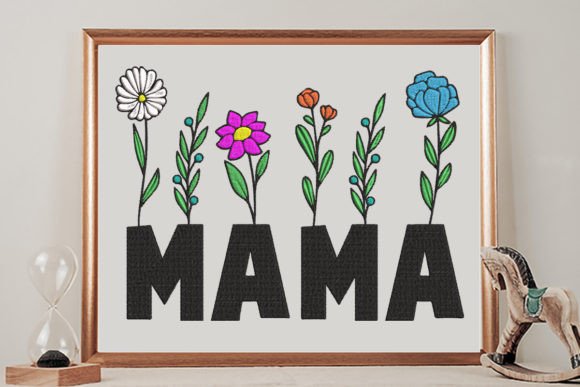
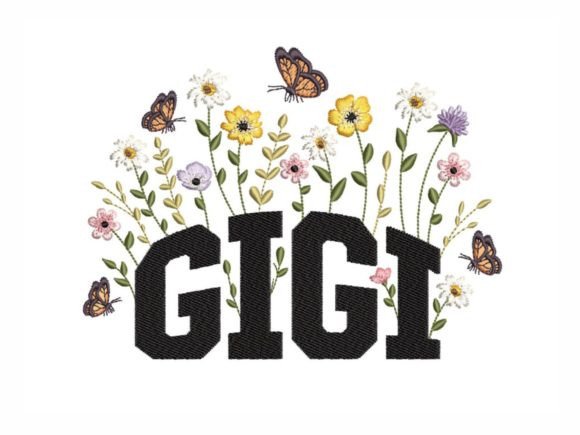
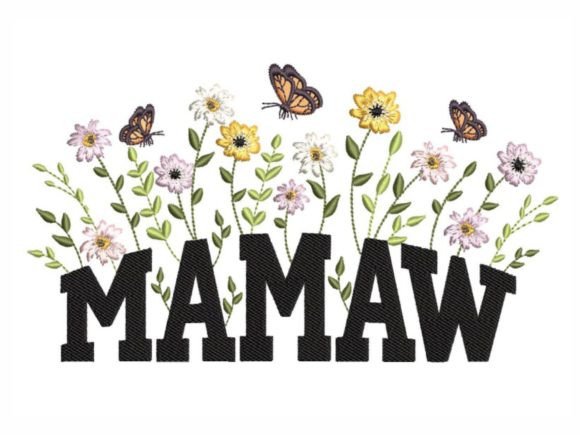
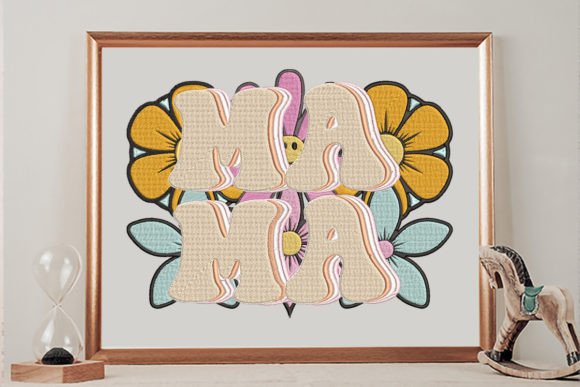
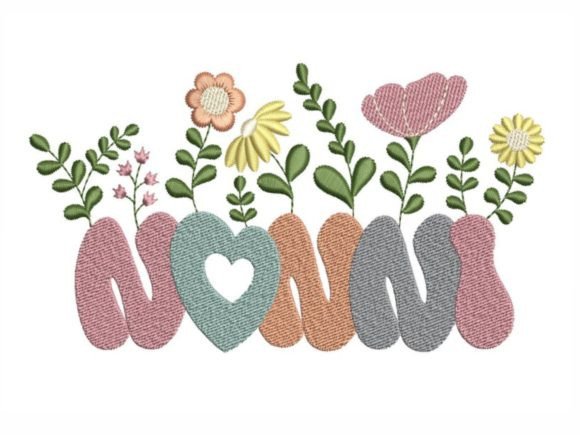
Floral Nonni doesn’t shout. It leans in—soft curves, open petals, gentle asymmetry. There’s no rigid symmetry or over-engineered precision; instead, it carries the warmth of hand-drawn charm, translated thoughtfully into a machine embroidery design. The layout breathes: leaves curl outward, blooms vary subtly in size, and negative space is used like punctuation—not an afterthought. It reads as joyful but never childish, nostalgic but not dated. That balance makes it unusually versatile: equally at home on a baby onesie and a linen apron for a small-batch bakery.
Where It Shines—and Where It Asks for Thought
I stitched Floral Nonni across six fabric types: lightweight cotton jersey (for a sweatshirt), medium-weight terry (kitchen towel), structured twill (tote bag), soft bamboo blend (baby blanket), stiff denim (patch application), and textured linen (pillow cover). In every case, the design held its personality—but only when paired with intention.
- Custom apparel: On a light gray crewneck sweatshirt, it read clearly at 4.5" wide—no fill stitch bleeding, no satin stitch puckering. But on thin, stretchy black jersey? I added tear-away + cut-away stabilizer combo and slowed my machine speed. Without that, the inner petals lost definition.
- Tote bag design: At 5.2", it anchored the front pocket beautifully—neither overwhelming nor shrinking into background noise. The running stitch outlines helped it pop against canvas texture without competing.
- Baby embroidery: On a 100% cotton receiving blanket, I reduced density slightly in the flower centers (a quick edit in my software) to keep it soft to the touch. Parents notice that—even if they don’t know why.
- Holiday embroidery: For Mother’s Day gifting, I paired it with minimalist script (“Nonni’s Garden”) on a tea towel. Customers consistently picked that set first—proof that Floral Nonni carries emotional resonance, not just visual appeal.
What to Watch For—Not Flaws, Just Realities
No design is universal—and Floral Nonni isn’t trying to be. Its gentle curves and layered petal shapes mean it demands attention in specific contexts:
- Small hoop sizes: Below 3.5", fine details—especially the inner stamen lines—start to compress. If you’re embroidering caps or tiny patches, test first. Consider simplifying or using outline-only mode.
- Dark or heavily textured fabric: On charcoal terry, I switched to ecru thread for contrast—not white, which looked harsh. Always mock up in grayscale first; what reads well on screen may vanish mid-stitch.
- Curved surfaces: Caps and curved mugs (for iron-on transfers) need re-hooping and careful placement. The design’s organic shape adapts better than geometric motifs, but don’t skip the test run.
- Frequent washing: Fill stitch density matters here. On kitchen towels and baby items, I verified stitch count wasn’t so high it’d stiffen the fabric—or so low it’d fray after three washes.
How It Elevates Your Finished Product—Beyond Aesthetics
When customers hold a product with Floral Nonni stitched cleanly, something subtle shifts. They pause. Turn it. Run a finger over the satin stitch. That tactile moment builds trust—especially for handmade products sold on Etsy or at craft fairs. It signals care, not just craft.
For small shop owners, this design quietly strengthens brand consistency: it’s distinctive enough to become recognizable across categories (a pillow cover, a mug wrap, a greeting card border), yet flexible enough to adapt to seasonal palettes—rose gold thread for weddings, sage and cream for nursery decor, cobalt and mustard for modern kitchen goods.
And for digital product sellers? Floral Nonni works beautifully in printable mockups—its balanced scale and clear silhouette render cleanly across devices. Paired with thoughtful styling notes (“Try on oatmeal linen with muted sage thread”), it becomes more than a digital embroidery file; it becomes a storytelling asset.
Designer Notes You’ll Actually Use
Before stitching your first Floral Nonni piece, do these five things:
- Test on scrap fabric *exactly* matching your final project—same weight, weave, and stretch.
- Check thread color contrast on both light and dark backgrounds. Some floral palettes fade on black; others scream on ivory.
- Review stitch density—not just for durability, but for drape. High-density fills can stiffen baby clothes or delicate scarves.
- Confirm hoop size compatibility. If you’re using older machines or compact hoops, verify the widest dimension fits before committing to a full run.
- Inspect small details at actual stitch-out size. Zoom in on your software preview—but also print a 1:1 paper template and hold it up to your fabric.
Finally: confirm licensing terms. If you plan to sell finished products or resell the embroidery file, double-check whether it’s cleared for commercial embroidery use. Many designers assume “Mother S Day” implies personal use only—don’t risk it.
In short? Floral Nonni isn’t just another floral motif. It’s a thoughtful, adaptable, emotionally intelligent design—one that earns its place in your active project queue, your best-selling Etsy listing, and the hands of someone who’ll treasure it long after the thread settles.