Floral Skeleton: A Seasonal Embroidery Design Review
First Impressions: Moody, Elegant, and Unexpectedly Warm
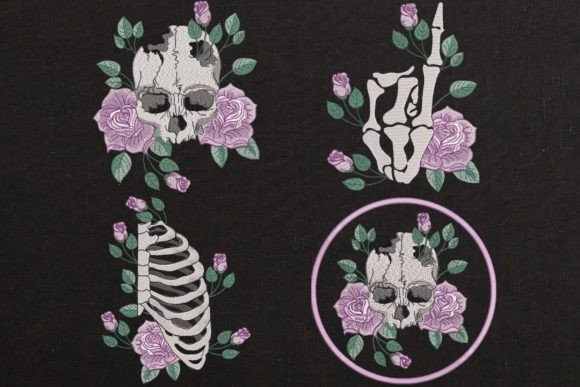
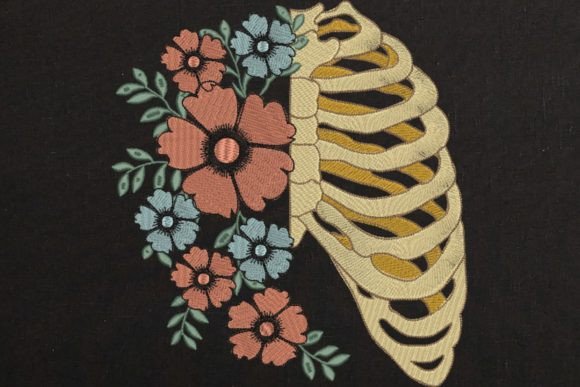
As an embroidery designer who’s curated over 20 seasonal collections—many built around Halloween, autumn, and early-winter gifting—I opened Floral Skeleton expecting gothic contrast. What I found instead was a quietly sophisticated balance: delicate botanicals cradling clean bone structure, with soft curves and intentional negative space. It doesn’t scream “spooky”—it whispers “thoughtful.” The emotional tone leans toward nostalgic elegance with a modern edge—not cute, not kitschy, not overly macabre. That nuance is exactly what makes Floral Skeleton stand out in a sea of pumpkin motifs and cartoon ghosts.
Real-World Seasonal Use: Where This Design Truly Shines
Floral Skeleton thrives where personality meets practicality. On sweatshirt embroidery for family matching sets? Yes—its balanced scale reads clearly at chest or sleeve placement without overwhelming cozy knits. As a tote bag design for craft fairs? Absolutely. Its central symmetry and moderate detail hold up beautifully on cotton canvas, especially when stitched in muted burgundy, charcoal, or olive thread colors. For kitchen towel embroidery or pillow covers? Perfect—the floral elements soften the skeletal motif, making it feel warm and lived-in rather than clinical.
This machine embroidery design also translates elegantly into gift-ready products. Imagine it centered on a linen apron for a baker’s holiday bundle, or as an embroidered patch sewn onto a denim jacket for teen customers seeking subtle edge. On table linens or framed artwork? Its clean lines and compositional harmony support premium positioning—ideal for Etsy sellers aiming to elevate handmade gift pricing. And for social media previews? Floral Skeleton photographs exceptionally well in natural light against wood grain, marble, or dried florals—making printable mockups highly shareable and brand-consistent.
Where to Use Floral Skeleton With Intention
Not every surface or stitch choice serves this design equally. Due to its interwoven floral and structural elements, Floral Skeleton benefits from thoughtful execution:
- Hoop size matters: Avoid pushing it into tiny hoops (under 4” diameter) unless you’ve verified the file includes a scaled-down version—fine stems and petal outlines can lose definition.
- Fabric texture affects clarity: On thick terry cloth towels or heavy duck canvas, use cutaway stabilizer and consider slightly heavier thread weight to maintain stitch definition.
- Dark fabric demands testing: Metallic or high-sheen threads may read differently on black or navy—always test thread colors on both light and dark fabric before production runs.
- Stretchy garments need support: For sweatshirts or ribbed knits, combine tear-away + cutaway stabilizer to prevent distortion during stitching and wear.
- Avoid over-layering: This isn’t a design that needs dense fill stitches everywhere—its charm lies in openwork and rhythm. Confirm stitch density aligns with your machine’s capability and fabric type.
Seasonal Appeal & Buyer Psychology: Why This Design Converts
Holiday shoppers don’t just buy motifs—they buy feeling. Floral Skeleton taps into three powerful emotional notes simultaneously: reverence (for seasonal cycles), beauty (in impermanence), and individuality (a refined alternative to mass-market Halloween). That resonance boosts giftability: it feels personal without requiring customization, elegant without being stiff, and seasonally appropriate without locking buyers into one holiday.
For small shop product listings, that translates to stronger customer trust—shoppers sense intentionality. When used across a cohesive collection (e.g., matching pillow cover + embroidered patch + kitchen towel), Floral Skeleton reinforces visual recognition and brand consistency. It also invites engagement: customers tag friends (“This is so *you*”), pin mockups, and request variations—organic marketing gold during peak shopping periods.
Practical Designer Notes Before You Stitch
Before adding Floral Skeleton to your seasonal lineup, here’s what I do—and recommend you do too:
- Review the embroidery file metadata: Confirm hoop size requirements, stitch count range, and included formats (PES, DST, JEF, etc.)—especially if selling digital embroidery files directly.
- Test stabilizer pairings: Try lightweight cutaway on quilting cotton, medium-weight tear-away on twill, and fusible + cutaway on stretchy knits.
- Create realistic mockups: Use actual fabric swatches—not just white backgrounds—to preview how thread colors interact with real-world textures.
- Zoom in post-stitch: Check small details like stem tips and bone joints after embroidering—some machines drop stitches in tight corners if tension isn’t calibrated.
- Plan your palette intentionally: Earthy tones (ochre, slate, deep plum) enhance its organic mood; monochrome black/white leans modern; cream-on-navy adds vintage warmth.
- Verify commercial licensing: If you’re selling finished products (not just the digital embroidery file), ensure the license permits commercial embroidery and resale of physical items.
Final Thought: A Design That Grows With Your Shop
Floral Skeleton isn’t just a Halloween embroidery design—it’s a versatile anchor for thoughtful seasonal storytelling. It works as standalone statement piece or part of a curated collection. It bridges generations (teens love its edge; grandparents appreciate its artistry) and occasions (from harvest dinners to Day of the Dead altars to quiet winter solstice moments). For Etsy sellers, handmade gift makers, and apparel decorators building authentic holiday offerings, this machine embroidery design delivers emotional resonance, visual polish, and real-world flexibility—without sacrificing craftsmanship or seasonal spirit.