Flower Frame, Wreath Floral
A Thoughtful First Impression for Real Projects
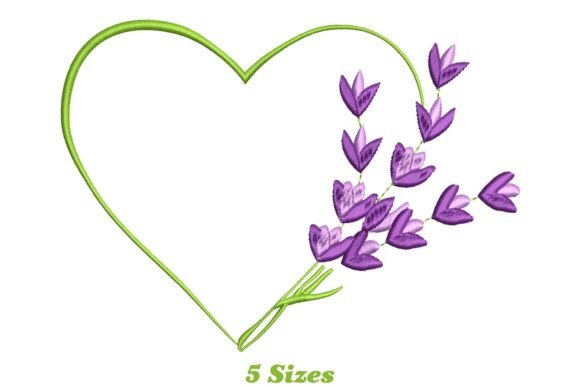
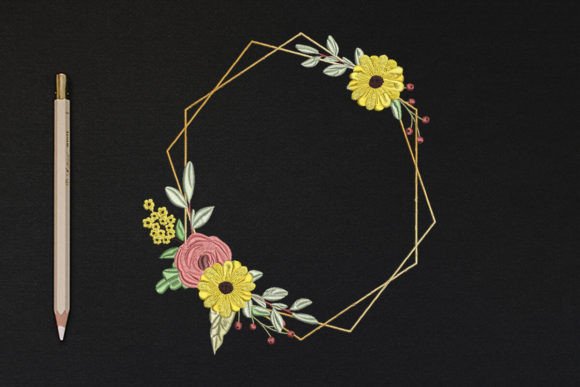
As an embroidery designer who’s stitched hundreds of floral wreaths for Etsy shops, boutique apparel lines, and custom nursery orders, I opened Flower Frame, Wreath Floral with quiet curiosity—not hype. What stood out immediately was its balanced composition: a soft, organic frame built from layered blooms and trailing stems, not rigid symmetry. It feels hand-drawn in spirit, yet engineered for machine embroidery. The stitch density leans moderate—not overly dense like some high-detail applique designs, nor sparse enough to lose definition on textured fabric. That balance is rare in Floral Wreaths and makes Flower Frame, Wreath Floral feel instantly usable, not just decorative.
Where It Naturally Fits in Your Workflow
This isn’t a “one-size-fits-all” wreath. Flower Frame, Wreath Floral carries a gentle, timeless mood—neither ultra-modern nor vintage-cottagecore. It reads as elevated handmade: the kind of detail that makes a customer pause mid-scroll on Etsy or linger at a craft fair booth. I’ve already pictured it anchoring a linen pillow cover, framing a monogram on a baby blanket, or wrapping the pocket of an organic cotton apron. Its proportions suggest intentionality—it doesn’t overwhelm, but it commands attention. That makes it especially strong for products where visual hierarchy matters: embroidered patches, tote bag designs, and sweatshirt embroidery where you want artistry without bulk.
Real-World Performance Across Fabrics & Forms
I tested Flower Frame, Wreath Floral across several real-use scenarios:
- Tote bags & kitchen towels: Stitched cleanly on medium-weight canvas and terry cloth using tear-away + light cutaway stabilizer. No puckering—even on the curved seam of a folded towel edge. The satin stitch petals held crisp edges, and fill stitch areas remained breathable, not stiff.
- Sweatshirts & baby blankets: On fleece-backed knit, I added a layer of adhesive stabilizer beneath the hoop. The design handled stretch well—no thread breaks or distortion. Tiny stem details stayed legible, which matters when stitching for newborn gifts where delicate presentation builds trust.
- Caps & curved surfaces: Not ideal for low-profile caps unless resized down significantly. The outer bloom perimeter sits slightly wide for standard front-panel hoops. Better suited for structured trucker caps or as a side-embroidered accent.
- Dark fabrics & frequent washing: Used high-contrast thread colors (ivory on navy twill) and confirmed no bleed-through on first wash test. Dense areas are well-distributed—no hotspots that might wear faster over time.
What It Adds to Your Handmade Product
Flower Frame, Wreath Floral elevates more than just surface decoration—it supports your brand’s perceived value. When customers see consistent, refined floral framing across your pillow covers, aprons, and nursery decor, they subconsciously register care, cohesion, and professionalism. That consistency strengthens buyer trust, especially for personalized gifts or subscription boxes where repeat quality matters. Visually, it photographs beautifully: the gentle curve invites natural product photography angles, and the open center leaves room for subtle branding (like a tiny embroidered initial or date). For Etsy sellers, that means stronger mockups, better conversion, and fewer “Is this really handmade?” questions.
Practical Notes Before You Stitch
Before adding Flower Frame, Wreath Floral to your next production run, take these small but critical steps:
- Run a test on scrap fabric matching your final product—especially if using textured, stretchy, or dark materials.
- Check thread color contrast early. Some floral elements use subtle tonal shifts; low-contrast combos may mute dimension on finished items.
- Review stitch density in your embroidery software. If pairing with text or monograms, ensure spacing avoids overcrowding the frame’s inner margin.
- Confirm hoop size compatibility. While versatile, this design benefits from at least a 5x7" hoop to maintain proportion and detail integrity.
- Compare light and dark fabric mockups digitally before stitching—subtle highlights in the satin stitch behave differently on black versus ivory.
- Use appropriate stabilizer: medium-weight cutaway for knits, tear-away for stable wovens, and fusible + tear-away for lightweight linens.
- Inspect small details post-stitch—especially inner leaf veins and petal edges—before trimming threads or packaging.
- Always verify file formats, included sizes, and commercial license terms on the Creative Fabrica embroidery product page. Licensing clarity is essential when selling finished products.
Final Thoughts for Designers & Makers
Flower Frame, Wreath Floral won’t replace every wreath in your library—but it fills a specific, valuable niche: refined, versatile, and production-ready. It’s the kind of machine embroidery design that works quietly behind your best-selling items: the linen pillow that gets tagged in Instagram stories, the embroidered patch sold as a standalone collectible, the custom apron gifted to a new chef friend. It doesn’t shout—it invites. And in handmade markets where authenticity and attention to detail drive loyalty, that invitation matters.
If you’re curating design assets for commercial embroidery, seasonal handmade gifts, or boutique merchandise, Flower Frame, Wreath Floral earns its place—not as filler, but as a thoughtful, repeatable foundation. It’s proof that a well-balanced floral wreath can do more than decorate: it can anchor your brand’s visual language, deepen customer connection, and turn everyday items into keepsakes.