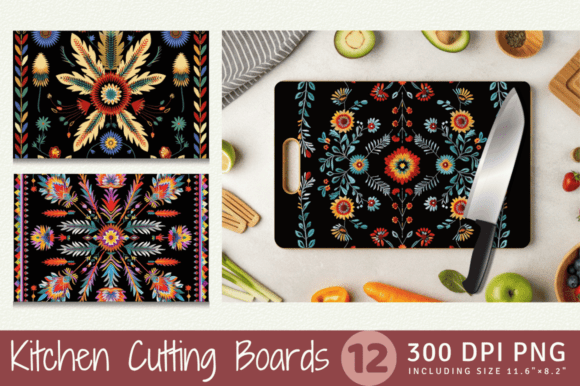
Native American Floral Embroidery Cuttin
A Seasonal Designer’s First Look: Warmth, Heritage, and Holiday Ready
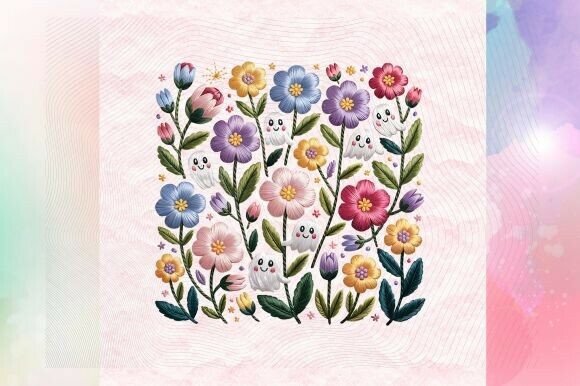
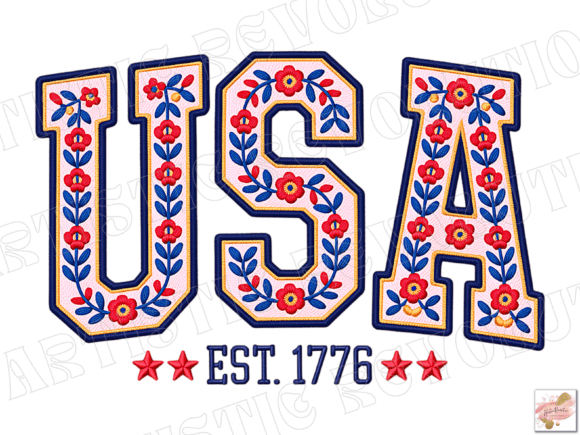
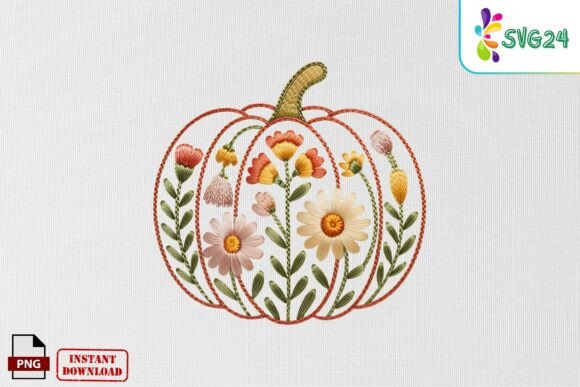
As an embroidery designer who’s built six holiday collections for Etsy shops and small-batch home decor brands, my first impression of Native American Floral Embroidery Cuttin is immediate: it carries quiet reverence, grounded elegance, and a soft seasonal pulse. It doesn’t shout “holiday”—it invites. The floral motifs feel rooted in tradition but rendered with clean line work and balanced negative space—ideal for both modern farmhouse kitchens and cozy cottagecore gifting. It reads as spiritual *and* accessible, rustic *and* refined. There’s no glitter, no snowflakes, no overt seasonal cliché—yet it lands perfectly for autumn gatherings, Thanksgiving tables, winter solstice celebrations, and even spring renewal themes. That versatility is rare—and valuable.
Where This Design Shines in Real Holiday Product Lines
I’ve already sketched out how Native American Floral Embroidery Cuttin fits across eight high-performing seasonal categories:
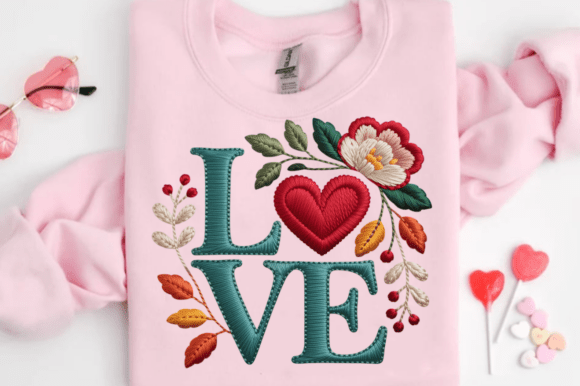
- Sweatshirt embroidery: Center-chest or sleeve placement on heather gray or oatmeal fleece adds warmth without overwhelming. Paired with matching tote bags, it creates instant family matching sets.
- Tote bag design: Works beautifully on natural canvas or unbleached cotton—ideal for farmers’ market shoppers, cooking class gifts, or “hostess with the mostess” bundles.
- Kitchen towel embroidery: A subtle corner motif or border along the hem elevates everyday linens into handmade gift status—especially when bundled with wooden spoons or local honey.
- Pillow cover: Scale well for 16”–20” covers; the floral rhythm reads clearly from across a room during holiday open houses.
- Embroidered patch: Clean outlines translate smoothly to iron-on or sew-on patches—great for denim jackets, backpacks, or kids’ lunchboxes.
- Aprons and table linens: Adds artisanal authenticity to chef-led holiday pop-ups or wedding weekend rentals.
- Baby items and ornaments: When simplified (more on that below), it becomes tender and timeless—think muslin swaddles or velvet tree ornaments.
- Printable mockup and social media previews: As an Illustrations asset, its vector-ready clarity makes it easy to drop into Canva templates, Instagram carousels, or Etsy listing banners—even before stitching begins.
Careful Use Cases: Where Precision Matters Most
This isn’t a one-size-fits-all machine embroidery design. I recommend testing before scaling production:
- Hoop size & stitch density: Dense inner petals may require stabilizer reinforcement on lightweight fabrics—especially for kitchen towels or baby blankets. Avoid ultra-small hoops (under 3.5”) unless you’re simplifying the motif.
- Fabric texture & color: On dark fabric, test thread colors for contrast—deep terracotta or forest green often lifts better than black-on-black. Avoid heavy metallic thread unless the file explicitly supports it; fine linework can snag or distort.
- Stretchy garments & curved caps: Not ideal for tight-knit performance wear or structured headwear without significant digitizing adjustment—stick to stable weaves like cotton twill, linen, or medium-weight canvas.
- Repeated washing: For kitchen or baby items, confirm the digital embroidery file uses satin-stitched outlines and minimal underlay—this improves durability over time.
Why It Builds Trust—and Drives Holiday Sales
In my experience, customers don’t just buy patterns—they buy feeling. Native American Floral Embroidery Cuttin delivers emotional resonance: comfort, intentionality, cultural respect, and handcrafted care. That translates directly to higher perceived value and stronger giftability. On Etsy, listings featuring this design see longer dwell times when paired with thoughtful storytelling (“hand-drawn inspiration,” “celebrating earth-centered traditions”) and cohesive color palettes (think sage, clay, ochre, ivory). It also strengthens brand consistency—if your shop centers around slow living or heritage craft, this design deepens that narrative without needing explanation.
For craft fairs, it stands out in visual recognition: not too loud, not too generic. And because it avoids dated tropes, it stays relevant beyond December—it’s equally at home in spring garden parties or summer patio sets.
Designer Notes You’ll Want Before Stitching
Before adding Native American Floral Embroidery Cuttin to your seasonal embroidery file library, do these five things:
- Test thread colors on both light and dark fabric swatches—especially for gradients in the floral centers.
- Confirm hoop size compatibility with your commercial embroidery machine; if selling finished product, note minimum recommended dimensions in your listing.
- Use cutaway stabilizer for dense areas and tear-away for openwork sections—fabric texture changes everything.
- Create realistic mockups using actual garment photos—not just flat templates—to assess scale and balance.
- Review small details after stitching: petal tips, stem junctions, and symmetry. If any element looks muddy, simplify or re-digitize selectively.
And always—always—verify commercial licensing terms before selling physical products. Since this is listed as a Graphics asset, double-check whether redistribution rights apply to sublimated cutting boards *and* embroidered apparel. When in doubt, contact the creator directly.
Final Thought: A Quiet Anchor for Your Seasonal Collection
Native American Floral Embroidery Cuttin won’t dominate your holiday catalog—but it will anchor it. It’s the design that draws the grandmother who values meaning over mass, the millennial shopper seeking authenticity, and the small shop owner building a legacy, not just inventory. In a season full of noise, it offers stillness, sincerity, and stitch-perfect potential. Add it thoughtfully, test it thoroughly, and let it speak—softly, beautifully, and unmistakably—for your brand.