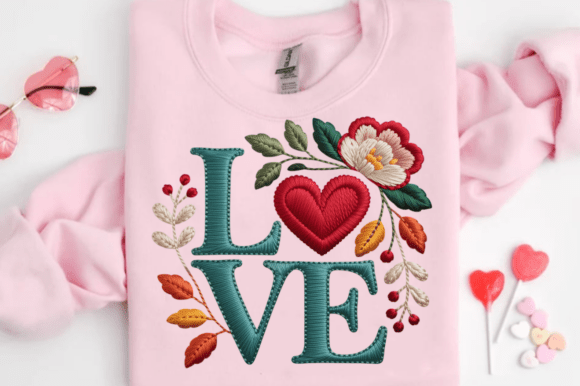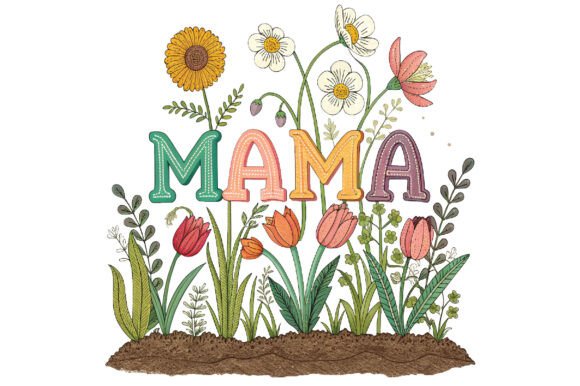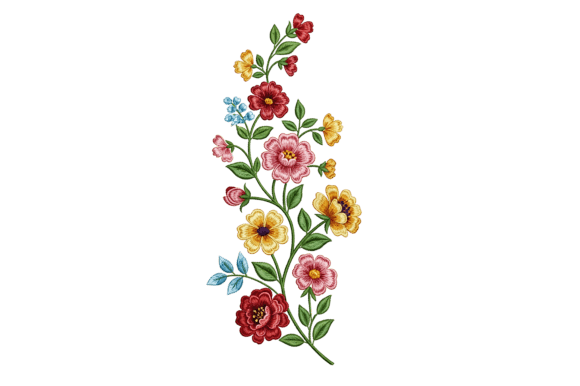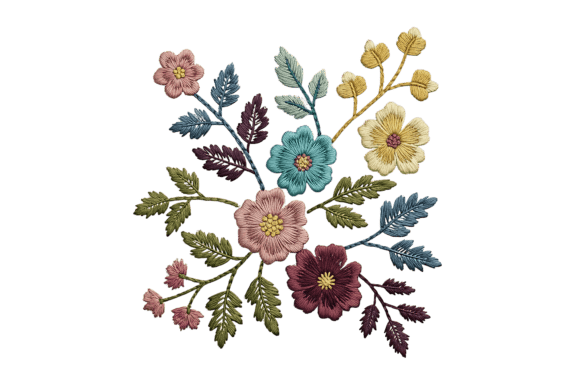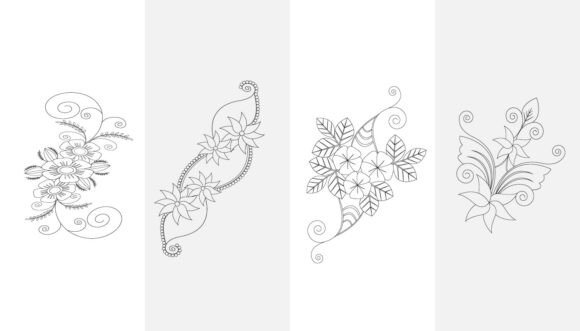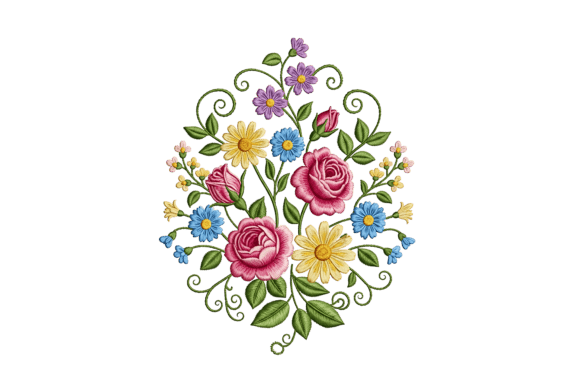
Ornate Floral Embroidery Design
A Designer’s Real-World Review for Small Business Merchandise
As an embroidery designer who’s developed over 300+ commercial embroidery files for cafés, florists, boutiques, bakeries, and handmade brands, I approached Ornate Floral Embroidery Design with a very specific question: Does this illustration translate into professional, durable, and brand-aligned embroidered patches and apparel? Not just as decoration—but as functional, scalable design assets for small business merch.
First Impression: Elegant, Handmade, and Commercially Versatile
The name alone sets expectations—ornate suggests detail; floral implies warmth and organic charm. Based on the product description—“clean, high-quality artwork crafted for crafters, designers, and small businesses”—this isn’t a clipart-style graphic. It reads as intentional: balanced negative space, refined petal contours, and layered botanical rhythm. For a local florist launching branded aprons or a ceramic studio adding subtle chest accents to staff uniforms, Ornate Floral Embroidery Design lands as elegant yet approachable, handmade but polished. It avoids looking overly digital or mass-produced—a critical nuance when building trust with customers who value authenticity.
Where It Shines in Real Business Use
This design excels where small businesses need quiet sophistication—not loud branding. Here’s how it performs across common applications:
- Embroidered patches: Works beautifully as a sew-on or iron-on patch for tote bags, denim jackets, or boutique packaging. Its clean outlines hold up well at 2.5”–3.5” sizes—ideal for gift tags or loyalty program rewards.
- Apron embroidery: Placed on the left chest or pocket flap, it adds artisanal credibility without overwhelming functional fabric. The floral motif complements food, flower, and craft-based brands naturally.
- Cap embroidery: When scaled thoughtfully (not too dense), it reads clearly on structured front panels—especially on light or mid-tone cotton twill. Avoid full-crown placement unless simplifying key elements.
- Tote bag design: As a centered back or corner accent, it elevates reusable bags from utilitarian to desirable—perfect for farmers’ markets, pop-ups, or Etsy unboxings.
- Product packaging accents: Stitched onto linen drawstring bags, cotton labels, or ceramic jar sleeves, it reinforces premium perception for handmade products.
- Staff uniforms & custom apparel: On polo shirts or sleeve cuffs, it signals cohesion and care—key for service-based businesses like salons or studios wanting visual consistency without corporate sterility.
Use With Intention: Where Caution Applies
Even elegant designs have practical limits. Ornate Floral Embroidery Design demands thoughtful execution in these scenarios:
- Small patch sizes under 2”: Fine stem work or delicate leaf veins may collapse or “fill in” during stitching. Always test at actual production size—not just on screen.
- Curved surfaces (e.g., cap fronts, curved pockets): High stitch density in tight curves can cause puckering. Confirm stabilizer pairing—cutaway works best for structure.
- Dark or textured fabric: On heavy canvas, corduroy, or black denim, low-contrast thread colors will disappear. Prioritize metallic gold, cream, or deep burgundy over pale pastels unless fabric is light and smooth.
- Frequent washing: While floral motifs are timeless, tightly packed satin stitches require secure backing. Recommend tear-away + cutaway combo stabilizer for longevity on aprons or work shirts.
- Commercial embroidery projects: If you’re digitizing this PNG into a machine embroidery design yourself—or outsourcing—review spacing between elements. Tight petal overlaps risk thread nesting if not adjusted for stitch direction and underlay.
Brand Identity Impact: More Than Just Pretty
For small businesses, every stitched detail shapes customer perception. Ornate Floral Embroidery Design strengthens brand identity by signaling intentionality: it says “we invest in quality details,” not just speed or scale. When customers see it on a café’s barista apron or a pet brand’s bandana, they register craftsmanship—even before reading the logo. That builds trust faster than text alone. Visually, it supports consistency across touchpoints: same motif on a tote, a patch, and a printable mockup creates subconscious recognition. And because it’s rooted in nature—not trends—it won’t feel dated in 12 months. That durability protects your long-term design assets and reduces rebranding costs.
Practical Notes Every Embroidery Designer Should Apply
Before cutting thread or sending files to production, run these checks:
- Test the Ornate Floral Embroidery Design in black-and-white first—does the silhouette read clearly? If not, simplify or adjust contrast.
- Print it at actual patch size (e.g., 2.75”) and hold it against target fabric. Does spacing hold? Do stems look legible or fragile?
- Review thread color contrast on both light and dark substrates—don’t assume your default palette works universally.
- Inspect spacing between elements: Are petals too close? Will satin stitch bridges break or distort on stretch fabric?
- Confirm hoop size compatibility—if your smallest hoop is 4”x4”, ensure the design fits comfortably within that boundary with margin for stabilization.
- Always test-stitch on real fabric—not just stabilizer—and assess wash/dry performance after one cycle.
- Create a client-facing printable mockup showing Ornate Floral Embroidery Design on their actual garment style. Visual buy-in prevents costly rework.
- Compare it beside your existing design assets: Does it harmonize with your logo, typography, and other Illustrations? Consistency starts with alignment—not just aesthetics.
- Verify commercial licensing. Since this is marketed as a Graphics set “crafted for small businesses,” confirm it permits use on physical goods you sell—not just personal projects.
Ultimately, Ornate Floral Embroidery Design isn’t just another floral PNG. It’s a strategic tool—when applied with craft, context, and commercial awareness. For the bakery owner stitching it onto linen napkins, the florist branding compostable gift wrap, or the Etsy seller elevating their handmade soap labels: this design earns its place not by being ornate for ornament’s sake—but by deepening connection, reinforcing value, and standing up—stitch after stitch—to the real demands of small business merch.