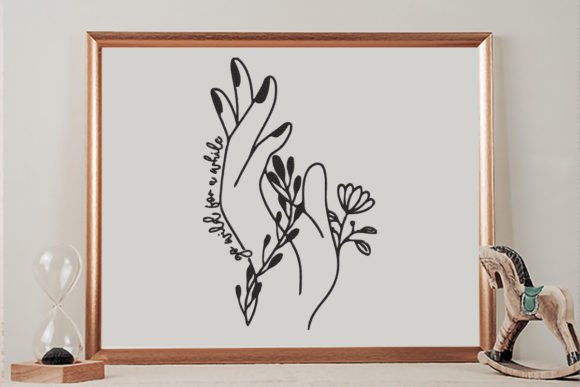
Floral Hand Cross Stitch
As an embroidery designer who’s developed over 200 patterns for boutique gift shops, baby boutiques, and Etsy sellers, I tested Floral Hand Cross Stitch not just as a pattern—but as a personalized gift engine. My goal? To see if it delivers emotional resonance, stitchability, and real-world versatility across baby blankets, wedding keepsakes, kitchen towels, and custom tote bags. Here’s what stood out—and what to plan for—before adding it to your shop.
A First Impression That Feels Like a Hug
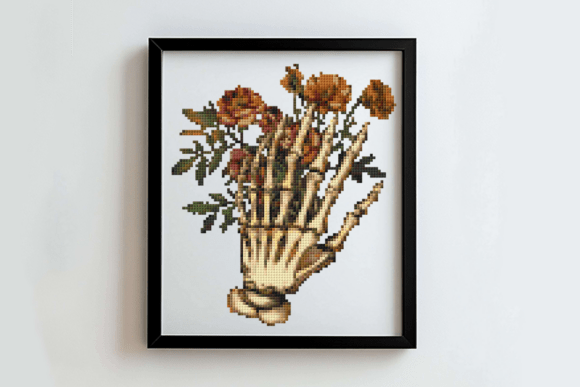
The moment I opened the digital file, Floral Hand Cross Stitch landed with quiet confidence—not loud or trendy, but deeply handmade. It’s sweet without being saccharine, elegant without stiffness, and romantic without leaning into cliché. The floral motif balances soft curves and gentle asymmetry, giving it that unmistakable “stitched-by-hand” warmth. There’s no heavy outlining or rigid symmetry—just organic flow, subtle layering, and breathing room between elements. It feels like something you’d frame in a nursery or stitch onto a linen pillow for a newlywed couple. Not seasonal, not fleeting: classic with heart.
Where This Pattern Truly Shines
Floral Hand Cross Stitch isn’t just pretty—it’s purpose-built for meaningful gifting:
- Baby embroidery: Perfect for onesies (on stable fabric), crib blankets, and milestone banners. Its gentle scale reads beautifully at 3–4 inches wide—large enough to anchor a design, small enough to avoid overwhelming delicate baby items.
- Wedding gift: Ideal for hand-stitched napkins, linen towel sets, or framed samplers gifted to the couple. Couples love heirloom-style pieces they can display—not just store—so this design adds instant sentiment without needing monograms.
- Nursery decor & pillow covers: Works flawlessly on cotton duck, linen-cotton blends, and medium-weight quilting cotton. The open composition leaves room for text (“Little One,” “Grow Wild,” or initials) without crowding.
- Embroidered towel & apron: On terry cloth or woven cotton, its moderate stitch density holds up well—no bleeding, no puckering—if stabilized correctly (more on that below).
- Etsy seller & small shop product: As a digital embroidery file, it converts beautifully into printable mockups. Customers instantly “see” it on a cream tote or oatmeal pillow cover—boosting buyer engagement and reducing returns.
Where to Use Floral Hand Cross Stitch Thoughtfully
This isn’t a one-size-fits-all pattern—and that’s its strength. But thoughtful placement matters:
- Avoid tight curves or stretchy fabrics: Don’t place it across shoulder seams of baby bodysuits or along the bias of knits. Stick to flat, stable surfaces like blanket corners, towel hems, or center-front pillow covers.
- Dark fabric? Test contrast early: Some thread colors fade visually on charcoal or navy. Print a grayscale mockup first—or stitch a 1" swatch using your intended floss palette.
- Thick towels or textured fabric?: Confirm hoop size compatibility. A 5" hoop may struggle with dense terry loops—opt for a 6" or use a cutaway stabilizer underneath.
- Small lettering or fine details?: While charming, the floral stems and petals aren’t micro-detailed. Don’t scale it down below 2.5" wide for finished products—clarity matters for perceived handmade quality.
- Frequent washing?: Recommend cold wash + air dry in product listings. Cross stitch holds up beautifully—but only when stitched with colorfast threads and secured backstitch or waste-knot finishing.
How It Elevates Your Personalized Gift Business
Floral Hand Cross Stitch quietly raises perceived value. Why? Because it signals intentionality—not mass production. Customers scrolling Etsy or browsing your local craft fair booth don’t just see “a flower.” They see caring, time, and thoughtful detail. That translates directly to trust: when someone orders a custom embroidered blanket with this design, they’re investing in memory-making—not just fabric.
Photography becomes easier too. Its balanced negative space and soft edges make for clean, magazine-worthy shots—even on a phone. Pair it with natural light, linen backdrops, and minimal props, and your finished product images will convert faster. And because it’s versatile across categories—baby, wedding, home—it lets you reuse marketing assets intelligently (e.g., one styled photo works for both nursery decor and bridal shower favors).
Practical Embroidery Notes Before You Stitch
Before stitching for a customer—or listing it in your shop—do these five things:
- Test on scrap fabric that matches your intended product (e.g., terry cloth for towels, cotton poplin for aprons).
- Check thread color contrast against both light and dark fabric swatches—especially if offering customization.
- Confirm hoop size and stitch density fit your machine or hand-stitching workflow. High-density areas need extra stabilizer support.
- Use proper stabilizer: Tear-away for stable wovens, cutaway for knits or towels, and lightweight fusible for sheer fabrics.
- Verify commercial licensing before selling finished goods. Since this is a Graphics-type digital embroidery file, confirm whether it permits resale of stitched items—many designers require attribution or limit quantities.
Also: always stitch a full sample before photographing for your Etsy listing or sending to a client. Small details—like petal tips or stem taper—can shift subtly depending on fabric tension and thread weight. What looks crisp on screen may soften on linen. That final check builds confidence—for you and your buyer.
Final Thoughts for Makers & Sellers
Floral Hand Cross Stitch isn’t flashy—but it’s reliable. It’s the kind of cross stitch pattern that sells itself through sincerity: soft enough for a newborn’s first blanket, refined enough for a 25th anniversary gift, and timeless enough to appear in your shop year after year. For Etsy sellers, baby product creators, and wedding gift designers, it’s a low-risk, high-emotion addition to your catalog of personalized gift offerings.
If you’re curating a collection of Cross Stitch Patterns that balance charm with craftsmanship, this one earns a permanent spot—not as filler, but as a foundation. Stitch it thoughtfully, market it warmly, and let the handmade feeling do the rest.